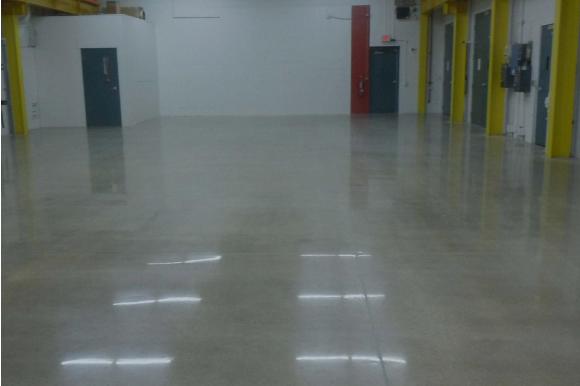
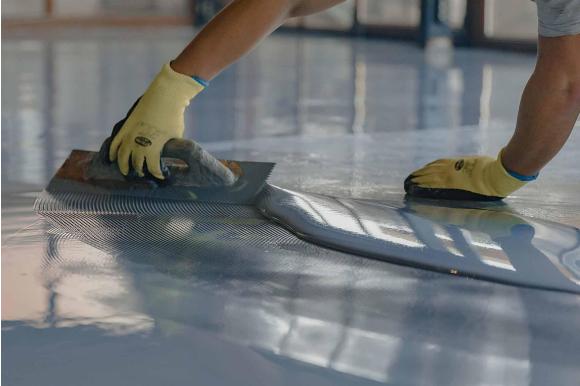
At Creative Maintenance Solutions, we understand how harsh winters in the Midwest and beyond can take a toll on commercial and industrial flooring. From freezing temperatures and tracked-in snow to corrosive de-icing salts, winter introduces a host of conditions that accelerate wear and compromise safety. The good news? With the right preventative strategies and durable flooring systems, you can mitigate this damage and keep your facility safe and operational year-round.
In this post, we’ll explain the main ways winter impacts your floors and share practical steps you can take to protect your investment with professional-grade coatings and maintenance.
How Cold Weather Damages Commercial Floors
Freeze-Thaw Cycles and Concrete Cracking
One of the most common causes of winter floor damage is the freeze-thaw cycle. As water seeps into microscopic pores in untreated or unsealed concrete, it expands when frozen. This expansion puts internal pressure on the slab, leading to cracks, delamination, and eventually spalling. Over time, repeated cycles of freezing and thawing can significantly compromise the structural integrity of your floor.
At Creative Maintenance Solutions, we often see this type of damage in loading docks, unheated warehouse areas, and facilities with exterior access points. Using the proper sealants or resurfacing with epoxy or urethane cement systems can prevent moisture intrusion and extend the life of your concrete.
Salt and De-Icer Corrosion
De-icing salts are essential for keeping sidewalks and entryways safe, but they’re extremely tough on flooring. When tracked into a facility, these salts—especially those containing calcium chloride—can react with concrete surfaces, leading to chemical deterioration, surface flaking, and discoloration.
This type of wear is particularly evident in entrances, vestibules, stairwells, and warehouse floors near dock doors. A high-performance epoxy coating or vinyl flake system can act as a barrier, resisting salt penetration and making post-storm cleanup faster and more effective.
Tracked-In Moisture and Slip Hazards
Snow, slush, and rainwater carried in on shoes or equipment wheels can turn any floor into a slip-and-fall liability zone. Without proper surface texture or slip-resistant coatings, even a small amount of moisture can compromise safety for employees and customers alike.
We recommend applying non-slip flooring systems with added traction, such as textured epoxy or quartz broadcast coatings. These not only provide slip resistance but also help guide water away from pedestrian zones when paired with proper drainage.
Vulnerable Areas to Monitor During Winter
Entryways and Lobbies
These high-traffic areas are the front line for winter floor abuse. In addition to installing durable, easy-to-clean flooring, facilities should use high-performance entry mat systems and regularly inspect for salt buildup or pooling water.
Loading Docks and Doorways
Warehouse doors open frequently in the winter, exposing interior floors to frigid air and moisture. These areas are prone to rapid temperature changes and vehicle traffic, both of which can stress coatings. A robust urethane cement system or resurfaced epoxy floor can add long-term protection in these zones.
Break Rooms and Hallways
Anywhere employees track in snow or spill hot liquids (like coffee or soup) can pose both cosmetic and structural risks. Water-resistant and stain-resistant flooring materials—like polished concrete or flake broadcast epoxy—make cleanup easier and help maintain a professional appearance through the season.
How to Prevent Cold Weather Floor Damage
Apply a Protective Floor Coating Before Winter
One of the most effective ways to shield your commercial floor from winter damage is to apply a professional-grade coating system before the cold weather hits. Our epoxy, urethane cement, and flake systems create a seamless, impermeable surface that resists water, salt, and temperature fluctuations.
At Creative Maintenance Solutions, we tailor these systems to your environment—whether you need a decorative flake finish for a retail lobby or a chemical-resistant urethane cement for a food processing area.
Schedule Routine Winter Maintenance
A proactive winter maintenance plan should include regular cleaning to remove salt and moisture buildup, visual inspections for cracking or peeling, and the use of appropriate cleaners for your flooring type. Our team can provide cleaning guidelines specific to the coating system we’ve installed and even recommend maintenance equipment that supports longevity.
Address Minor Repairs Immediately
Small cracks, chips, or delaminated areas shouldn’t be ignored in winter. Moisture intrusion into even the smallest defect can escalate into serious damage once freezing temperatures return. We offer fast, reliable repair services to patch and seal problem areas before they worsen.
Plan for Spring Restoration Now
If your floor has already suffered winter wear, it’s not too early to start planning a spring restoration project. We help clients schedule resurfacing, recoating, and complete system upgrades early to beat the seasonal rush and ensure downtime is minimized.
Winter doesn’t have to wreak havoc on your floors. With the right materials, preventative strategies, and support from an experienced team, you can defend your facility from seasonal deterioration and maintain safe, attractive floors all year long.
Contact Creative Maintenance Solutions today to schedule a winter floor assessment or learn more about our protective coating systems. We’re here to help your business stand strong—even in the harshest conditions.