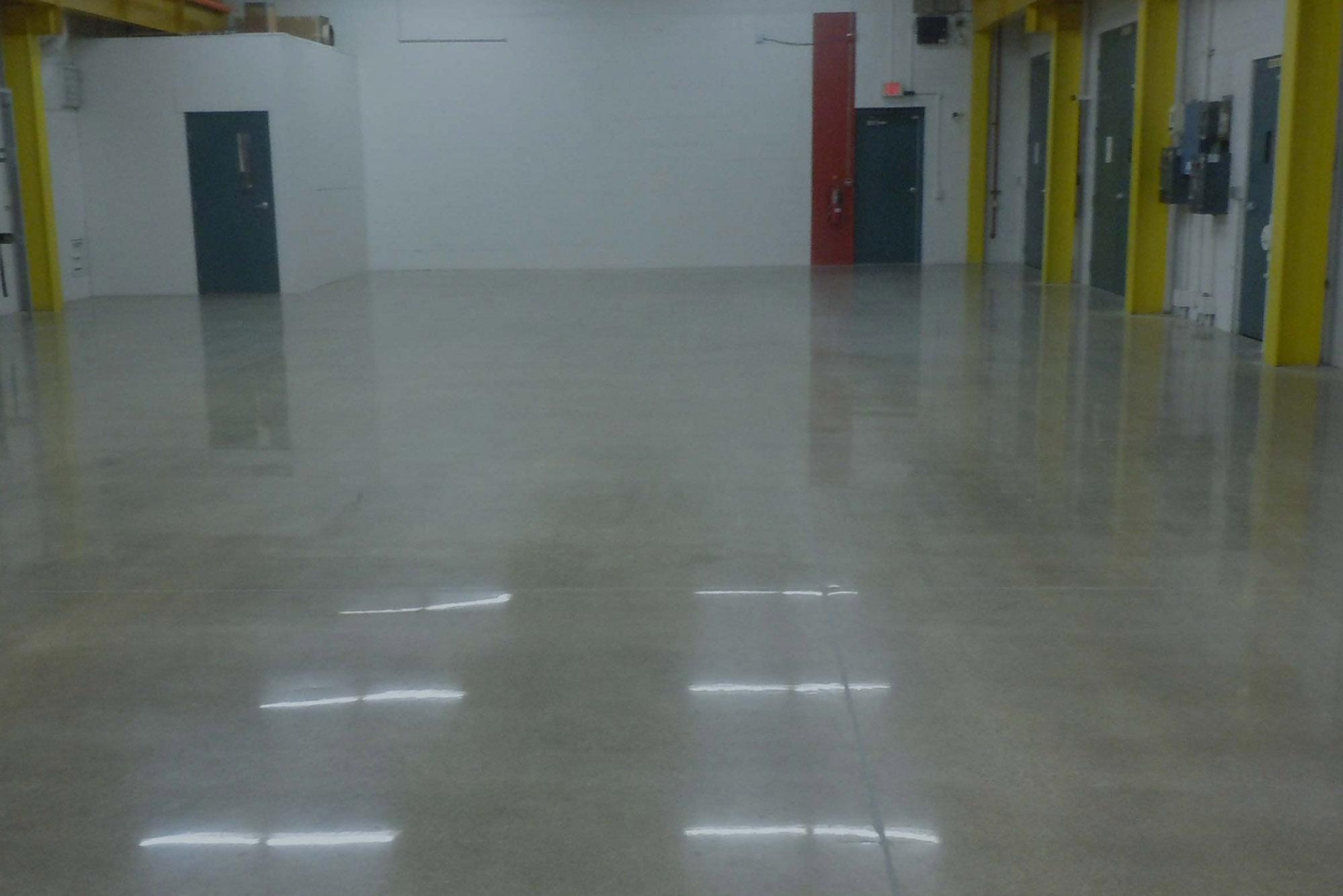
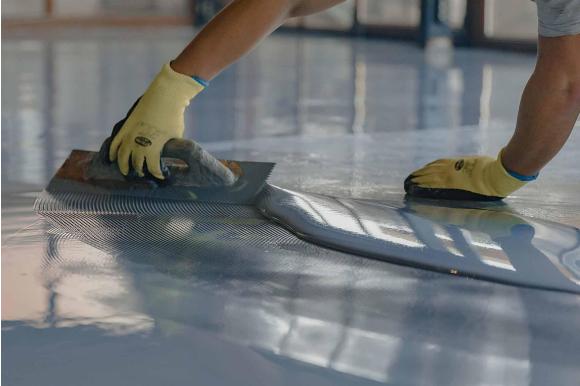
For commercial and industrial facilities, the cost of a floor extends well beyond its initial installation. Cleaning, routine maintenance, repairs, and eventual replacement can all contribute to the total cost of ownership. At Creative Maintenance Solutions, we know facility managers need flooring that can withstand daily use without creating an unnecessarily demanding maintenance schedule. Polished concrete is an excellent option for facilities where durability, straightforward cleaning, and long-term value are priorities.
Questions about how polished floors perform after years of use are common, and for good reason. Businesses want to know what their floors will require five, ten, or more years after installation. While every facility and floor is different, properly installed and maintained polished concrete offers a combination of longevity and relatively simple upkeep that makes it an attractive commercial flooring solution.
What Makes Polished Concrete Different?
The Concrete Becomes the Finished Floor
Unlike systems that cover a concrete slab with a separate flooring material, polished concrete transforms the existing concrete itself into the finished surface. Through a multi-step mechanical grinding and polishing process, the concrete is refined to achieve the desired level of smoothness and appearance.
For a closer look at how these systems work, the installation process, and their applications, explore our complete Polished Concrete Guide.
Densification can also be incorporated into the process to strengthen the surface and reduce concrete dusting. The result is a hard, durable floor without many of the additional layers associated with other flooring materials.
This simplicity is one reason polished concrete requires relatively little ongoing maintenance. There are no grout lines to scrub, tiles to replace, or floor coverings that can peel away from the substrate.
Polished Concrete Cleaning Requirements
Routine Cleaning Is Relatively Straightforward
Low maintenance does not mean no maintenance. Dirt and abrasive debris should still be removed regularly because particles left on the floor can gradually affect its appearance, particularly in high-traffic areas.
For many facilities, routine dust mopping or sweeping combined with periodic damp cleaning is enough to handle everyday maintenance. An appropriate cleaner and properly selected equipment can help remove contaminants without unnecessarily damaging or dulling the polished surface.
The appropriate cleaning frequency depends heavily on the facility. A busy warehouse with forklift traffic will naturally require a different maintenance schedule than a showroom or lightly traveled commercial space. We recommend developing a cleaning routine around actual traffic and contamination levels rather than relying on a one-size-fits-all schedule.
Address Spills Promptly
Although polished surfaces can provide improved resistance compared with untreated concrete, concrete is not automatically impervious to every contaminant. Oils, chemicals, acidic materials, and other spills should be cleaned promptly.
Understanding what substances are used within the facility is important when deciding whether polished concrete is appropriate in the first place. Environments involving frequent aggressive chemical exposure may be better served by a resinous flooring system designed specifically for those conditions.
How Polished Concrete Holds Up Over Time
Durability Is One of Its Greatest Advantages
Commercial facilities often choose polished floors because concrete is already capable of handling substantial loads and traffic. The polishing process creates a finished surface designed to take advantage of that underlying strength.
In warehouses, distribution centers, retail environments, and other suitable facilities, polished floors can stand up well to consistent foot traffic and material-handling equipment. Rather than relying on a surface coating that may eventually need to be reapplied, the concrete itself serves as the flooring system.
That doesn’t mean the floor will look exactly the same forever. Traffic patterns can become visible, and the surface can gradually lose some of its original appearance. The important difference is that this type of wear doesn’t necessarily mean the entire flooring system has failed.
Periodic Maintenance Can Refresh the Surface
Over time, high-use areas may benefit from professional maintenance to restore the desired appearance. Depending on the condition of the floor, this can involve cleaning, burnishing, or additional polishing.
A proactive maintenance approach helps facility managers address wear before it becomes more noticeable. At Creative Maintenance Solutions, we encourage businesses to periodically evaluate their floors instead of waiting until deterioration begins interfering with appearance or operations.
The Long-Term Cost Savings of Polished Concrete
Fewer Recurring Maintenance Requirements
Maintenance labor and materials can represent a substantial expense over the life of a commercial floor. Flooring systems requiring regular waxing, stripping, refinishing, or replacement create costs that continue long after installation.
Polished concrete reduces many of these recurring requirements. Routine cleaning remains necessary, but the absence of waxes and similar sacrificial finishes can simplify long-term floor care.
For large warehouses, retail spaces, and manufacturing facilities, even modest reductions in maintenance requirements can become meaningful when multiplied across thousands of square feet and years of operation.
A Long Service Life Can Improve Overall Value
A floor that lasts longer generally needs fewer major interventions. When the existing concrete slab is in appropriate condition and the environment suits a polished system, using the slab as the finished floor can provide excellent long-term value.
The best way to evaluate cost is therefore not simply to compare installation prices. Facility managers should consider the expected service life, routine cleaning requirements, repair needs, operational downtime, and eventual restoration or replacement costs.
Is Polished Concrete Right for Your Facility?
Start With the Conditions of the Space
Despite its advantages, polished concrete isn’t the correct solution for every application. Facilities regularly exposed to harsh chemicals, significant moisture, thermal shock, or certain sanitation requirements may benefit more from epoxy, urethane cement, or another specialized flooring system.
That’s why we begin by evaluating how a facility actually operates. Traffic patterns, equipment, cleaning procedures, existing concrete condition, and exposure to contaminants all influence which flooring system makes the most sense.
Get More from Your Commercial Floors
For the right environment, polished concrete provides an appealing combination of durability, straightforward cleaning, long service life, and reduced maintenance demands. Rather than looking only at how a floor will perform immediately after installation, we help our clients consider what it will require years into the future.
At Creative Maintenance Solutions, we install commercial and industrial flooring systems based on the specific needs of each facility. If you’re considering polished concrete and want to understand how it could perform in your space, contact Creative Maintenance Solutions today. We can evaluate your facility and help you select a flooring system that balances performance, appearance, maintenance, and long-term cost.