Manufacturing facilities place some of the toughest demands on commercial flooring. Heavy equipment, forklift traffic, chemical exposure, production spills, and continuous employee movement all contribute to wear and tear that can quickly overwhelm a flooring system that is not designed for the environment. At Creative Maintenance Solutions, we help facility managers evaluate their options and select the right manufacturing facility flooring solution based on their specific operational requirements.
There is no universal flooring system that works for every manufacturing environment. The best choice depends on factors such as traffic volume, cleaning procedures, exposure to chemicals, temperature fluctuations, and long-term maintenance expectations. Understanding the strengths and limitations of various industrial flooring systems is the first step toward making an informed investment.
Understanding the Demands of Manufacturing Facility Flooring
Every Facility Faces Different Challenges
A food processing plant has vastly different flooring needs than a machine shop, warehouse, or assembly facility. Some environments experience constant exposure to moisture and aggressive cleaning chemicals, while others must support heavy machinery and forklift traffic throughout the day. Certain facilities prioritize sanitation, while others focus on impact resistance and durability.
When evaluating manufacturing facility flooring, it is important to consider not only current operational needs but also future growth plans. The flooring system should support the facility’s operations for years without requiring excessive repairs or maintenance.
The Cost of Choosing the Wrong Floor
Selecting the wrong flooring system often leads to recurring maintenance expenses, safety concerns, and production interruptions. Cracks, coating failures, and surface deterioration can create hazards for employees while increasing operational costs. Investing in the right industrial flooring system from the beginning helps reduce long-term expenses and improves overall facility performance.
Epoxy Flooring Systems
A Versatile Solution for Many Manufacturing Environments
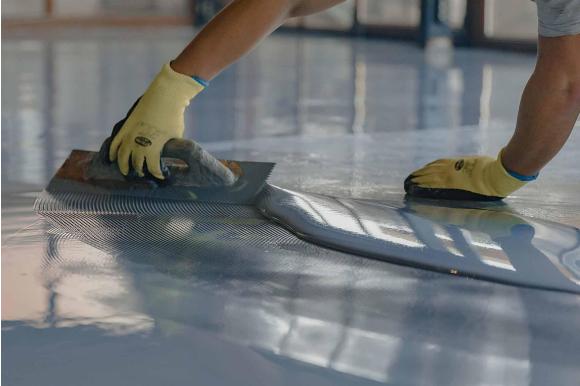
Epoxy flooring remains one of the most widely used industrial flooring systems because it provides an excellent balance of durability, appearance, and value. Epoxy creates a seamless surface that protects concrete while resisting abrasion, impacts, and many common industrial contaminants.
For manufacturing facilities that experience moderate to heavy traffic but limited thermal shock exposure, epoxy often delivers outstanding performance. Its seamless finish makes cleaning easier, while its durability helps withstand daily operations without excessive wear.
Many facility managers also appreciate epoxy’s flexibility from a design standpoint. Safety markings, traffic lanes, color coding, and slip-resistant textures can all be incorporated into the flooring system, helping improve workplace organization and safety.
Where Epoxy May Not Be the Best Fit
While epoxy performs well in many industrial settings, it has limitations when exposed to extreme temperatures or repeated hot-water washdowns. Facilities that routinely experience thermal shock often require a more specialized flooring solution. This is where the discussion of epoxy vs urethane cement becomes particularly important.
Urethane Cement Flooring Systems
Built for Harsh Industrial Conditions
When facilities operate in extreme environments, urethane cement often becomes the preferred choice. Urethane cement flooring is engineered to handle conditions that would challenge many traditional coating systems, including thermal shock, aggressive cleaning procedures, moisture exposure, and chemical contact.
At Creative Maintenance Solutions, we frequently recommend urethane cement for food and beverage facilities, pharmaceutical manufacturers, commercial kitchens, and other operations where sanitation and durability are top priorities.
One of the most significant advantages of urethane cement is its ability to expand and contract at rates similar to concrete. This allows it to withstand rapid temperature changes without cracking or delaminating. Facilities that perform frequent hot-water washdowns or steam cleaning often benefit tremendously from this capability.
Comparing Epoxy vs Urethane Cement
The question of epoxy vs urethane cement is one we hear regularly from manufacturing clients. Both systems provide excellent protection, but each excels in different environments. Epoxy often offers a more economical solution for general manufacturing operations, warehouses, and production facilities with moderate chemical exposure.
Urethane cement, however, typically outperforms epoxy when moisture, thermal shock, sanitation requirements, and harsh cleaning procedures become major factors. While the upfront investment may be higher, the long-term performance often justifies the cost in demanding environments.
Polished Concrete Flooring
A Durable, Low-Maintenance Alternative
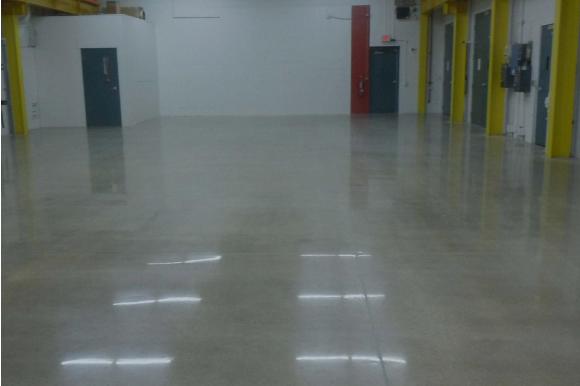
Polished concrete has become increasingly popular among manufacturing facilities seeking a durable and low-maintenance flooring option. Rather than applying a coating, the existing concrete surface is mechanically refined and densified to create a hard, attractive finish.
One of the biggest benefits of polished concrete is its simplicity. Facilities with dry production environments and limited chemical exposure often appreciate its long lifespan and minimal maintenance requirements. The reflective surface can also improve facility lighting, helping reduce energy costs while creating a brighter workspace.
Best Applications for Polished Concrete
Polished concrete performs particularly well in warehouses, distribution centers, and manufacturing facilities where heavy forklift traffic is common. However, it may not provide sufficient protection in environments with aggressive chemicals, food production requirements, or frequent moisture exposure. In those situations, a coated flooring system often provides better long-term protection.
Flake Flooring Systems
Combining Performance and Appearance
Although decorative flake systems are commonly associated with commercial environments, they also serve an important role within many manufacturing facilities. Employee locker rooms, break areas, restrooms, laboratories, and customer-facing production spaces often benefit from the durability and appearance of flake flooring.
Flake systems combine a seamless resinous base with decorative vinyl flakes and a durable topcoat. The result is a floor that offers excellent slip resistance, easy maintenance, and an attractive finish capable of withstanding significant daily use.
Where Flake Flooring Excels
Many manufacturing facilities use flake flooring in support spaces where aesthetics and safety are equally important. The textured surface improves traction, while the decorative appearance creates a cleaner and more professional environment for employees and visitors.
Choosing the Best Manufacturing Facility Flooring Solution
Start with Your Operational Requirements
The best manufacturing facility flooring system depends on understanding how the space operates. Facilities exposed to chemicals, heat, moisture, or aggressive cleaning procedures may require urethane cement. Operations focused primarily on traffic durability and appearance may find epoxy ideal. Warehouses often benefit from polished concrete, while support areas frequently perform well with flake systems.
The goal is not simply selecting a floor but selecting a system that supports productivity, safety, and long-term cost control.
Partner with Creative Maintenance Solutions
At Creative Maintenance Solutions, we work closely with facility managers to evaluate operational requirements and recommend industrial flooring systems that deliver long-term value. Whether you’re comparing epoxy vs urethane cement, considering polished concrete, or exploring decorative flake options, our team provides the expertise needed to make the right decision.
If you’re planning a flooring upgrade or evaluating options for a new manufacturing facility, contact Creative Maintenance Solutions today. We’ll help you identify the best manufacturing facility flooring system for your environment and ensure a durable installation that performs for years to come.